
Business listings look simple from the outside: enter a company name, address, phone number and website, then submit. In practice, the quality of the result depends heavily on what happens before the first directory form is opened.
A misspelled business name, an old phone number, inconsistent hours or a forgotten duplicate can be copied across multiple profiles. That turns a listing campaign into a cleanup project. A better approach is to prepare one verified business record, decide which directories actually matter, and track what happens after each submission.
Start with a master business profile
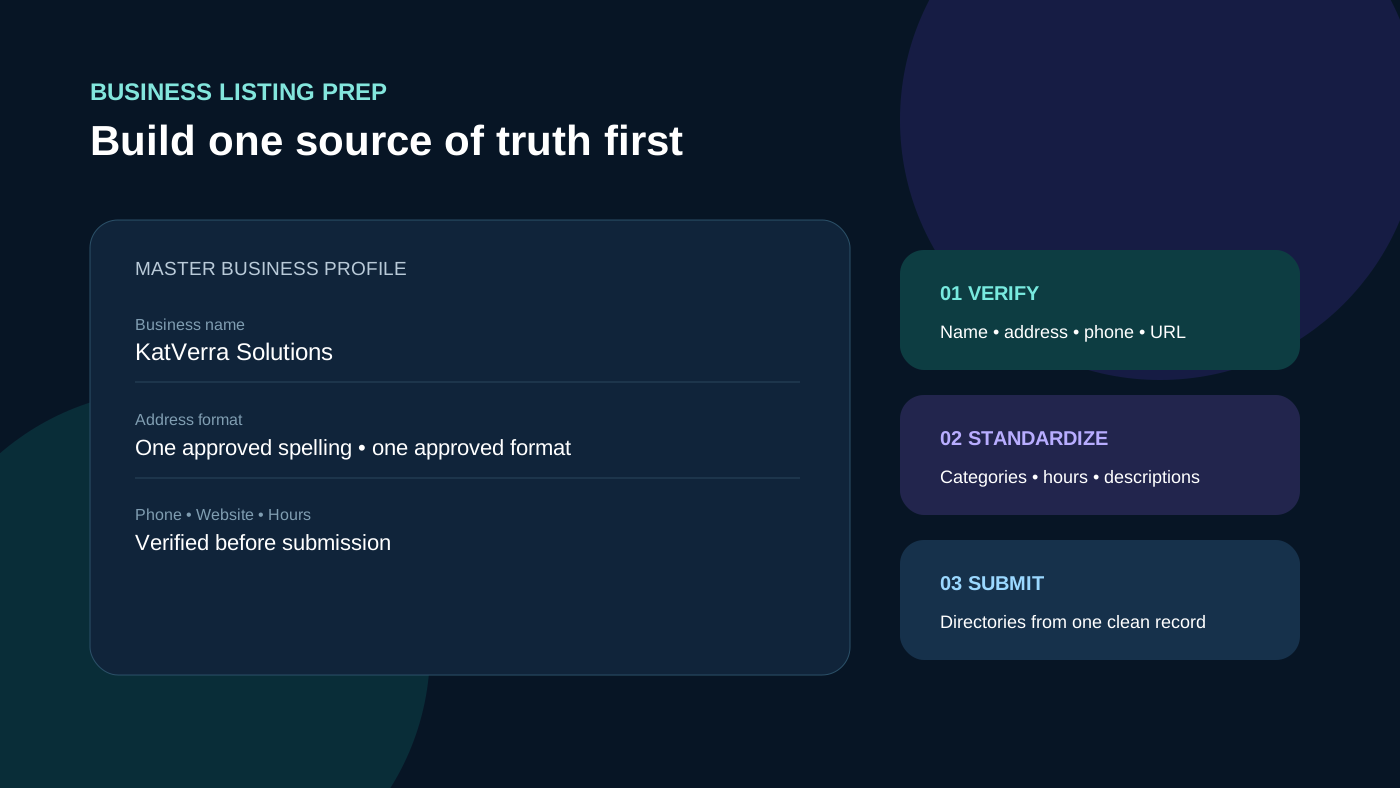
Before submitting anywhere, create a source-of-truth record for the business. This is the approved version that should be used whenever a new listing is created or an old one is corrected.
At minimum, verify the official business name, physical or service-area address where applicable, primary phone number, canonical website URL, opening hours, primary category, short description and the contact details needed to claim or manage profiles. If the business has multiple locations, keep a separate approved record for each location instead of mixing details.
Why small inconsistencies become expensive later
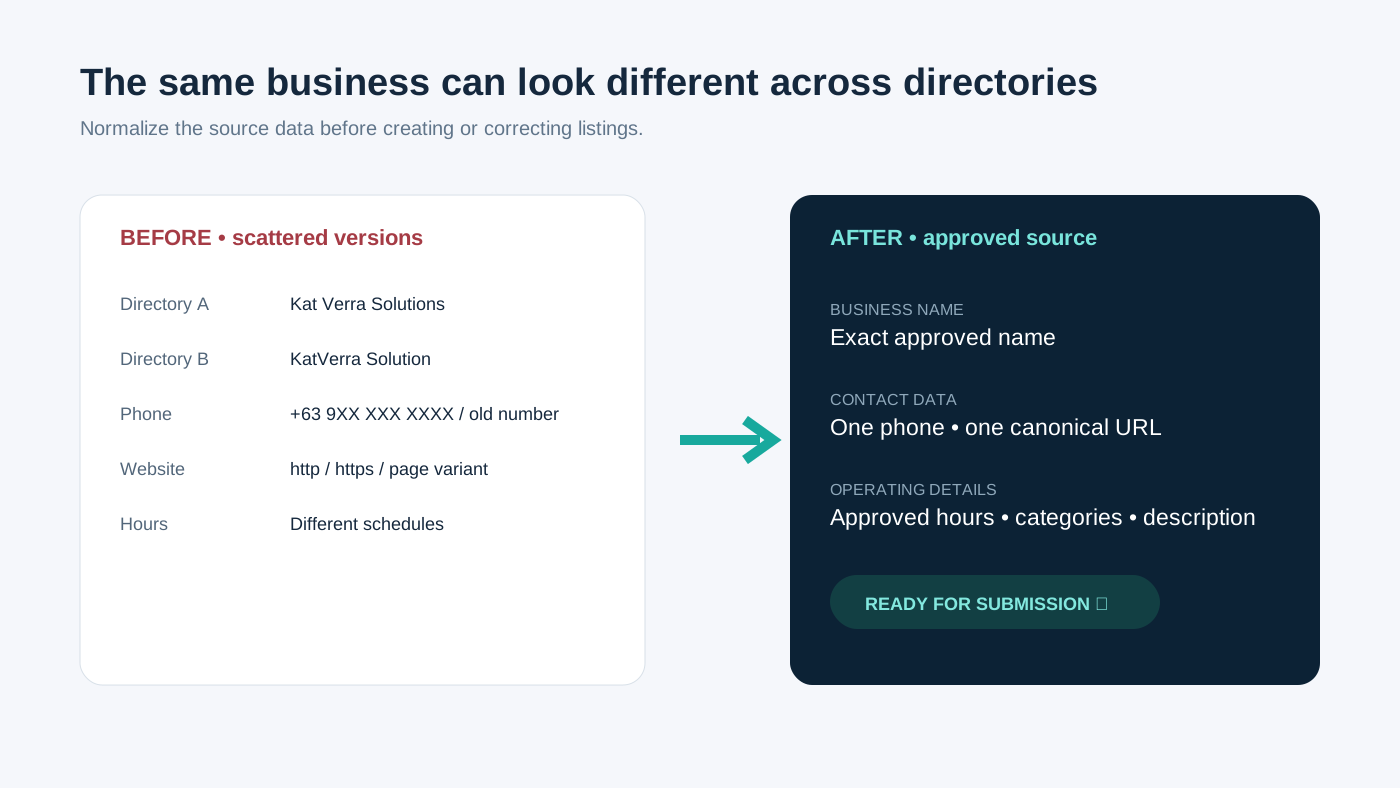
People often think of listing consistency as a spelling exercise. The bigger problem is operational: when several versions exist, nobody knows which one should be used for the next submission or correction.
For example, a business may have an old phone number on one profile, a shortened name on another and a different landing-page URL somewhere else. Those differences can create confusion for customers and make future maintenance slower. If you are new to the subject, the guide on what local citations are and why NAP consistency matters explains the underlying concept in more detail.
Decide which directories deserve attention
A business listing plan should not be a race to submit to the largest possible number of websites. Start with sources that are legitimate, relevant to the business or location, and reasonably maintainable. Industry-specific and local directories can also be useful when they genuinely serve the business's audience.
Before adding a directory to the queue, check whether the business is already listed there. If a profile exists, the task may be to claim or correct it rather than create another one. That distinction helps reduce duplicate records and makes the campaign easier to document.
Prepare the information that directory forms commonly request
Directory forms vary, but the same information appears repeatedly. Preparing it in advance prevents the person doing the submissions from improvising descriptions or choosing categories differently each time.
- Approved business name and contact information
- Canonical website URL and preferred landing page
- Primary and secondary categories where appropriate
- Business hours and holiday-hour process
- Short and longer business descriptions
- Logo, cover image and approved business photos
- Service areas, products or services when relevant
- Account or verification email controlled by the business
This preparation is also where a managed business listing and local citation service can save time: the work is not only data entry, but organizing the source data, submitting consistently and recording what was completed.
Create a directory plan, not a submission pile
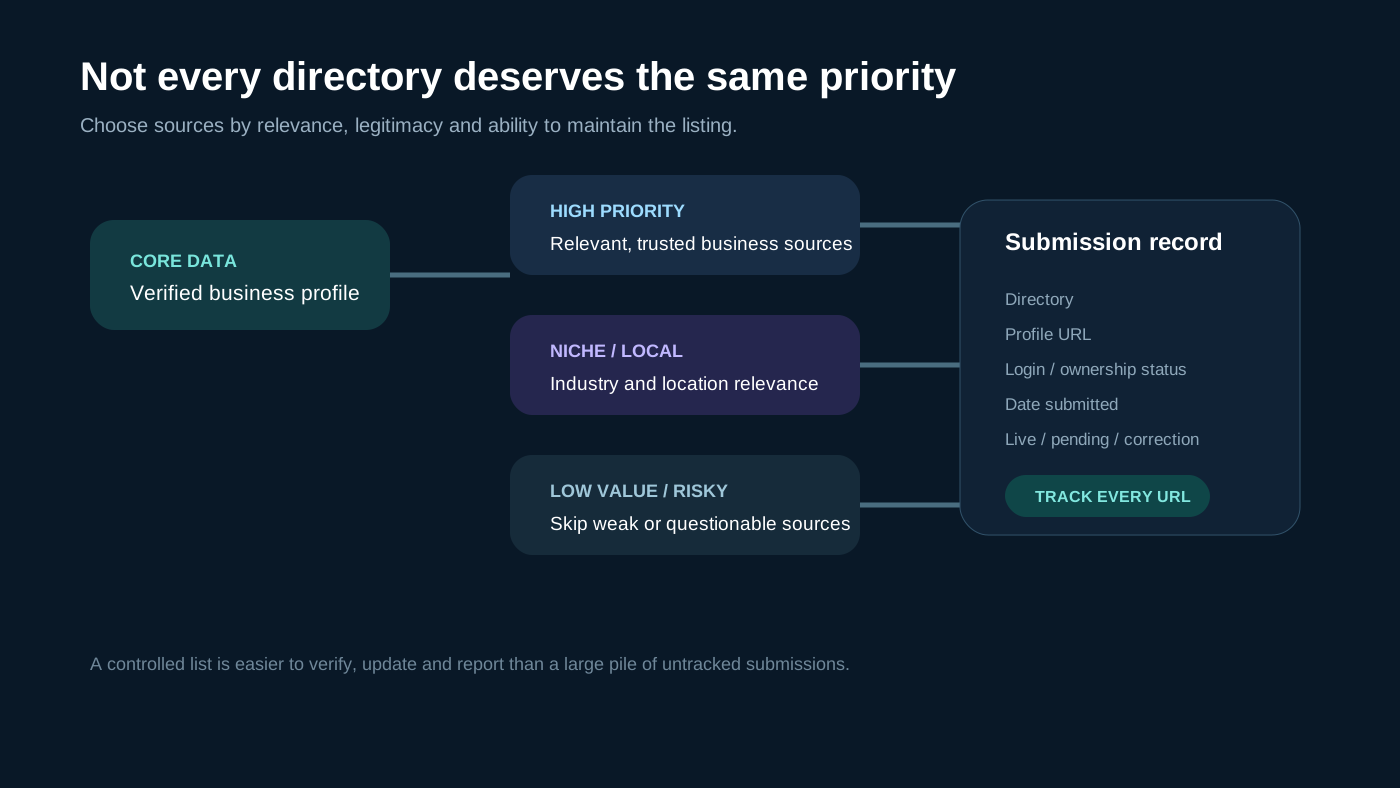
Separate directories into practical groups: high-priority general business sources, relevant local or industry sources, and sources that are low-value, questionable or difficult to maintain. The exact list should depend on the business rather than a universal directory count.
Manual submission and automation solve different problems
Automation can be useful for distributing structured data at scale, while manual work can provide more control over directory-specific fields, verification steps and exceptions. Neither method is automatically right for every campaign.
The practical difference is control. If a directory needs a unique category choice, manual verification, duplicate review or a special claim process, a human-managed workflow may be more appropriate. The comparison of manual citations and automated submissions goes deeper into where each approach fits.
Track ownership, status and the live URL
A submission is not finished just because a form was sent. Keep a record of the directory, profile URL, submission date, account ownership, verification status and any correction that still needs attention.
This becomes especially important months later when the business changes its hours, phone number or website. A clean tracking sheet turns that update into a manageable maintenance task instead of a new research project.
Check the result after submission
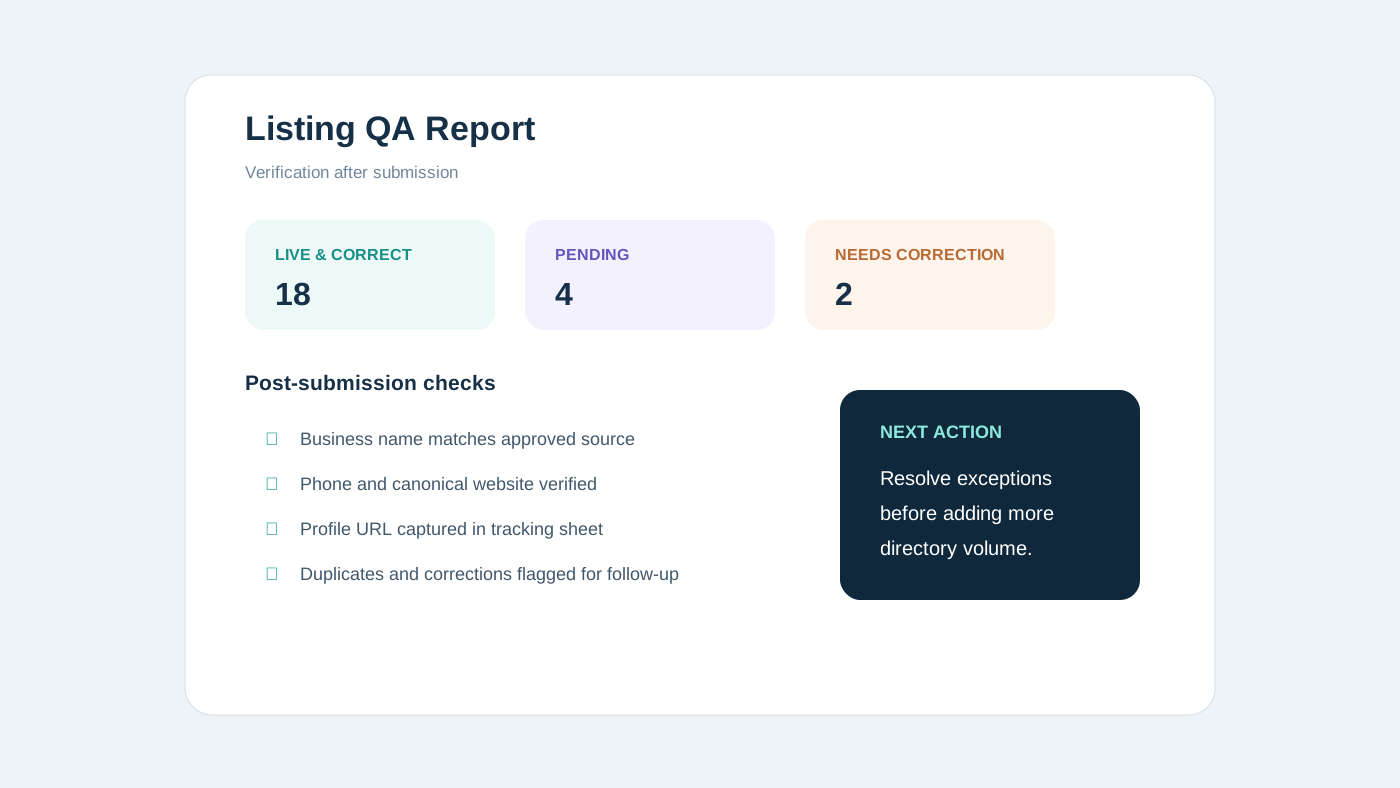
Once a listing is live, verify the visible information. Check the business name, phone number, website destination, address or service area, hours and category. Record the live profile URL and flag anything that needs correction.
Watch for these common listing problems
Creating a new profile without checking for an existing one
This can create duplicate records and extra cleanup work. Search first, then decide whether to claim, correct or create.
Using a different website URL every time
Choose the appropriate canonical destination and use campaign-specific tracking only when it has a clear measurement purpose.
Letting the submitter invent categories or descriptions
Give the person doing the work approved options. Directory-specific adaptation is fine; uncontrolled improvisation is not.
Finishing the campaign with no record of what went live
A useful deliverable should show what was submitted, what is live, what is pending and what still needs correction.
How this fits into a wider local SEO routine
Business listings are one part of local visibility. Website relevance, local landing pages, reviews, business information, on-page signals and an accurate business profile all work together. The local SEO checklist for small businesses can help place listing work inside that broader routine.
A clean listing system starts before the first submission
The most dependable business listing campaigns are usually the least dramatic. The business data is verified first, directory choices are deliberate, submissions are tracked, and exceptions are corrected before more volume is added.
That approach may look slower than immediately sending data everywhere, but it creates something more useful: a set of business profiles the company can understand, verify and maintain when its information changes.