
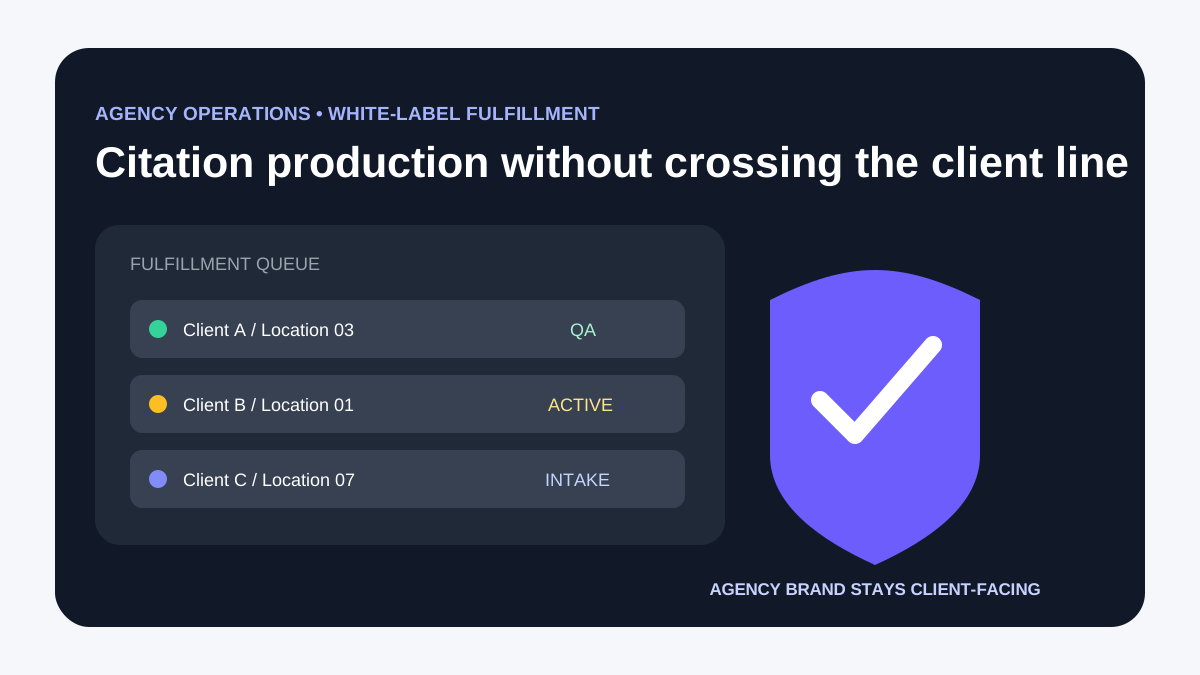
White-label citation building gives SEO agencies a way to outsource local listing production while keeping the agency in control of strategy, client communication and branding. The fulfillment partner works behind the scenes from an approved set of business details and returns organized delivery information to the agency.
The model is most useful when an agency has recurring local SEO work but does not want every account manager spending hours entering the same business information into directories. The operational challenge is not simply submitting listings. It is keeping client data separated, consistent and reviewable as volume grows.
What is white-label citation building?
White-label citation building is outsourced business-listing production delivered behind an agency's brand. An SEO agency supplies approved business information and campaign instructions; the fulfillment provider carries out the scoped citation work and reports the results back to the agency.
KatVerra's commercial white-label citation building service is designed around that agency-to-fulfillment relationship. This guide explains the operating model rather than replacing the service page's commercial purpose.
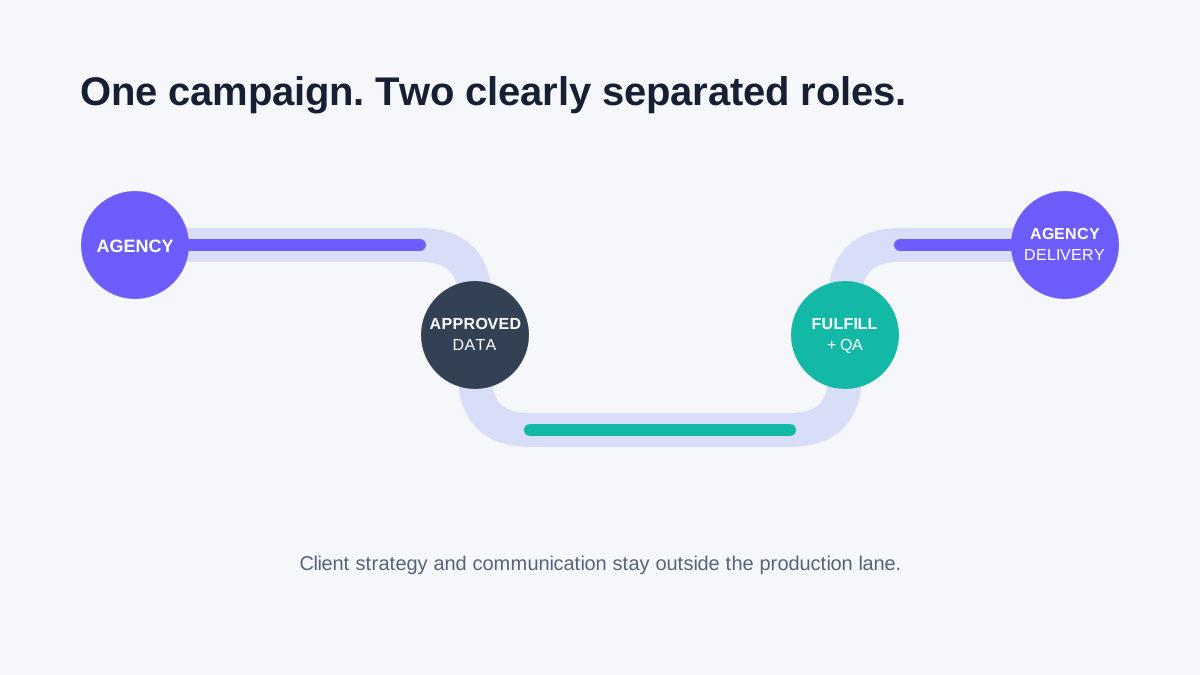
How the white-label workflow usually works
1. The agency defines the campaign
The agency determines the client goal, locations in scope, target market, expected deliverables and any special instructions. Citation fulfillment should sit inside that broader local SEO strategy rather than operate as an isolated promise of rankings.
2. One approved data source is supplied
Each location should have an approved business name, address, phone number, website, category and other required details. Known existing listings can also be included. Using one source of truth reduces the risk of copying conflicting information from email, chat and old spreadsheets.
3. Fulfillment is completed behind the agency
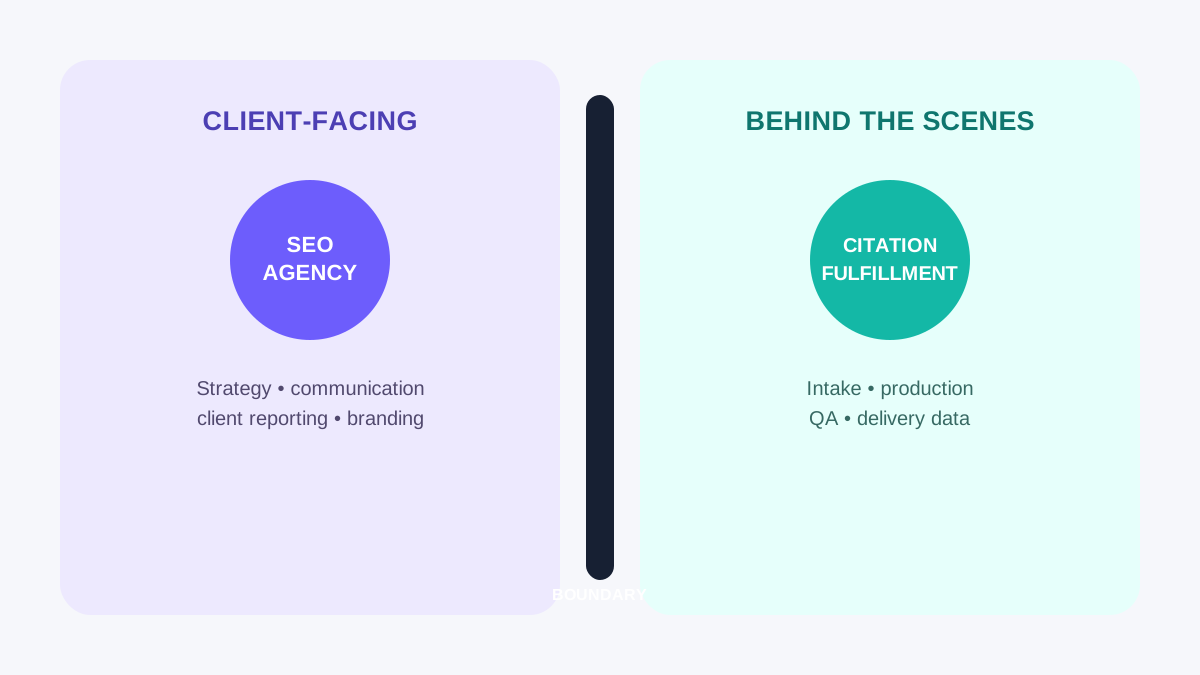
The provider works through the agreed targets without taking over the agency's client relationship. Communication boundaries should be decided before work begins, especially if verification or access questions arise.
4. Results return to the agency
Delivery should be organized by client and location so the agency can review it before incorporating the work into its own reporting.
What information should an agency collect?
A repeatable intake is one of the most important parts of scaling citation work. At minimum, collect the approved NAP information—name, address and phone—plus the website URL, primary category and any business details required by the agreed directory set.
Depending on the campaign, the intake may also include hours, descriptions, service areas, social profiles, images or login instructions. The important part is consistency: the same field should mean the same thing for every location.
Why NAP consistency matters in agency fulfillment
When multiple people handle multiple clients, small differences can multiply quickly. A suite number can disappear, an old phone number can be reused or two versions of a business name can enter separate reports. A controlled source record helps prevent those production errors.
For a deeper explanation of citation data and directory consistency, see what local citations are and how NAP consistency works.
Manual fulfillment vs bulk automation
Automation can make distribution faster, but speed is not the only concern in white-label work. Agencies often need visibility into where information was submitted, what happened at each target and whether exceptions require attention.
Manual production can provide more deliberate handling for defined directory lists and campaign instructions, while automated systems may be useful in other distribution models. The tradeoffs are covered in our guide to manual citations versus automated submissions.
What should a white-label report contain?
The reporting format should be agreed before production begins. Useful fields can include the client or location identifier, target directory, submitted business details where relevant, result URL or status, notes and the date of work.
A report should describe what was actually completed. Third-party directory approval, publication and search-engine indexing remain outside the direct control of the agency or fulfillment provider.
How agencies can protect quality as volume grows
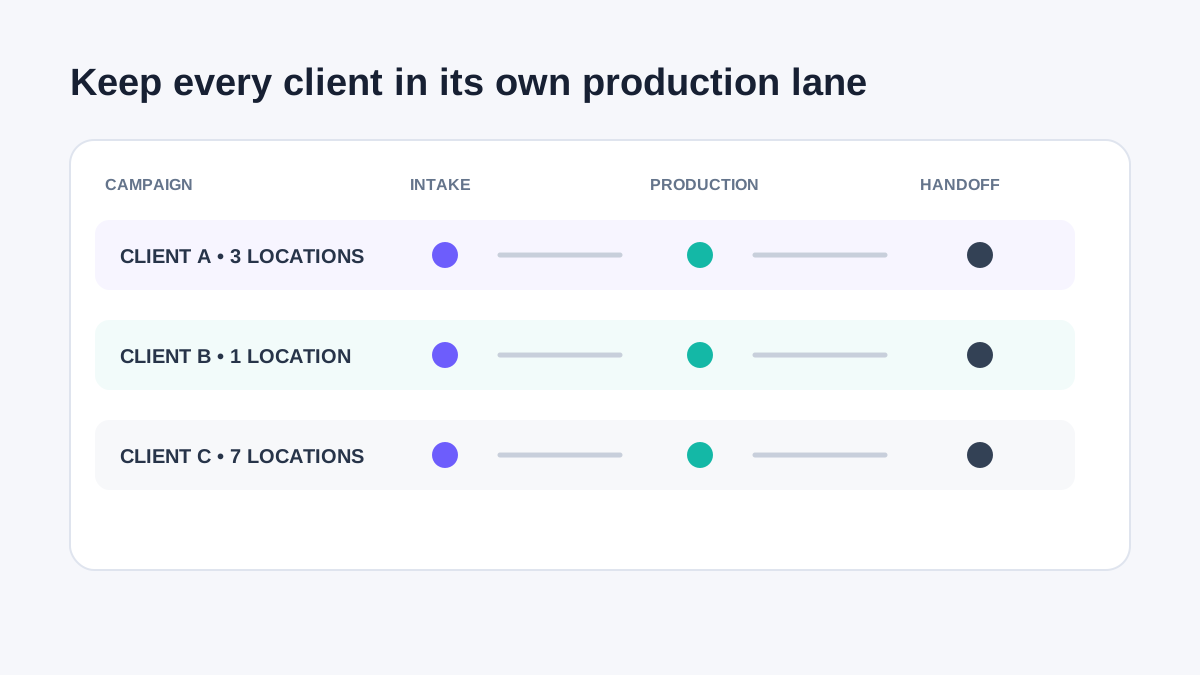
Scaling citation work is mostly a process-design problem. Standardize intake, separate client folders or records, use consistent naming conventions and define a review checkpoint before delivery. If a campaign contains unusual requirements, flag them before the batch enters normal production.
It is also useful to define what is outside the standard scope. Duplicate suppression, listing recovery, complex verification, niche-directory research and broader local SEO work can require different workflows.
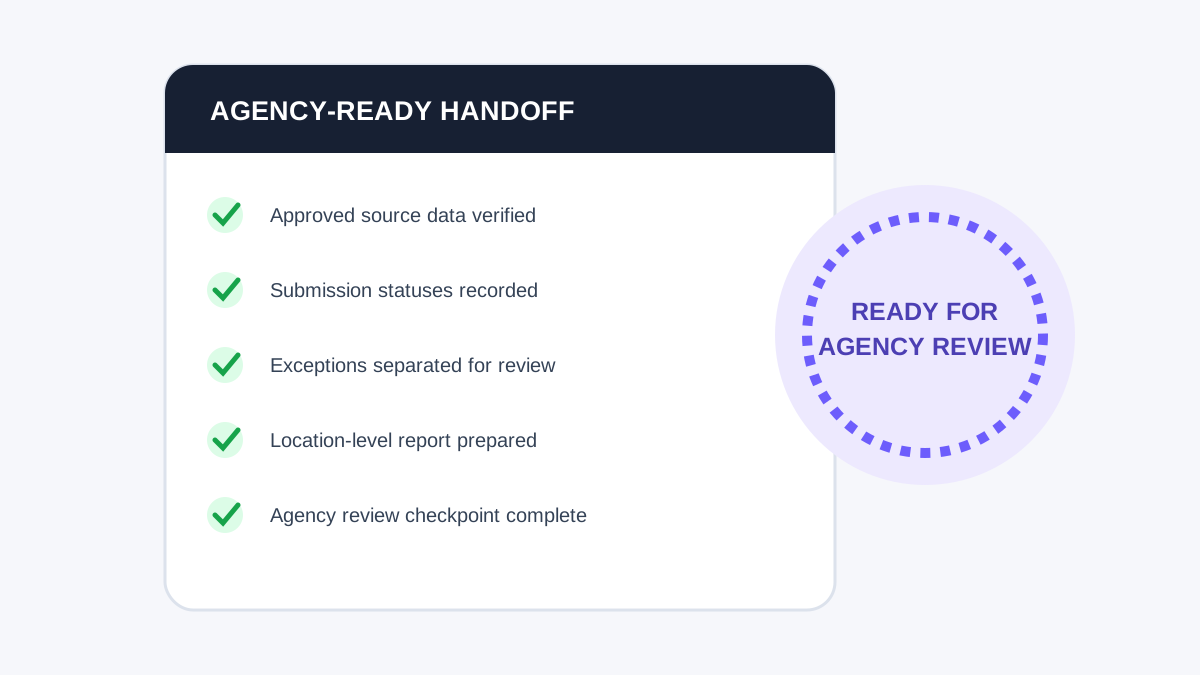
White-label citation fulfillment checklist
- Use one approved source of business data for each location.
- Define the directories, market or submission scope before production.
- Keep clients and locations clearly separated.
- Set communication boundaries for client-facing questions.
- Agree on the reporting fields before the first batch.
- Record exceptions instead of silently changing business information.
- Review the delivery before it enters the agency's client report.
- Scope cleanup, verification or custom research separately when needed.
When does outsourcing citation production make sense?
White-label support can make sense when an agency has repeatable citation demand, needs extra fulfillment capacity or wants account managers to spend less time on directory production. It is less useful when the underlying client data is still uncertain or the project is primarily a complex cleanup campaign rather than new citation building.
Agencies that also need recurring implementation help can combine citation fulfillment with broader SEO virtual assistant support as a separately defined scope.
Build a repeatable fulfillment lane behind your agency
If your agency already manages local SEO strategy and client communication but needs dependable production capacity, review KatVerra's white-label citation building workflow. The goal is straightforward: organized behind-the-scenes fulfillment that fits your agency process without blurring who owns the client relationship.